


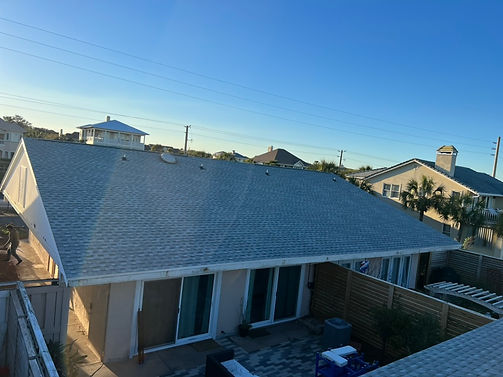


Maximizing Natural Light: Essential Factors for Solar Tube Roof Installation

Natural light significantly influences our mood, productivity, and overall well-being. In today’s world, solar tube installations have become a popular solution for bringing natural light into homes in an eco-friendly and cost-effective way. Unlike traditional skylights, solar tubes redirect sunlight from the roof through reflective tubes into various rooms. This innovative option enhances brightness without sacrificing energy efficiency. Effective installation relies on several essential factors, including pitch and optimal placement.
Understanding Solar Tubes
Solar tubes, also known as solar skylights, consist of three main components: a dome on the roof, a reflective tube that channels the light, and a diffuser inside the home. These tubes capture sunlight efficiently and illuminate spaces that may lack exposure to natural light.
For example, in the average home, traditional windows may let in about 30% less light compared to solar tubes. Understanding how these tubes function helps homeowners appreciate their advantages and choose the right method for implementation.
Pitch Factor: The Angle Matters
Knowing the pitch of your roof is essential when installing solar tubes. The roof's angle affects the amount of sunlight that enters through the tubes.
Flatter Roofs: A roof with a pitch of 0 to 3 in 12 (meaning a rise of 0 to 3 inches for every 12 inches of horizontal run) can limit sunlight capture.
Steeper Roofs: Roofs with pitches over 3 in 12 provide better sunlight access.
In areas with changing seasons, a steeper roof often yields better light performance. For instance, homes in regions like Colorado benefit from steeper pitches, typically achieving up to 50% more light in winter months.
Choosing the Right Rooms for Installation
Some rooms benefit more from solar tube installations than others. Consider the following spaces for optimal results:
1. Living Rooms
These spaces serve as family hubs. Adding solar tubes can transform dim environments into bright, welcoming areas. Brightened living rooms invite warmth and togetherness, enhancing daily family interactions.
2. Kitchens
Kitchens thrive on natural light. Solar tubes illuminate cooking and prep areas, making meal preparation easier and more enjoyable. Homes with solar tubes in their kitchens can see a 30% reduction in artificial lighting costs over time.
3. Bathrooms
Small bathrooms, often lacking windows, can gain tremendously from solar tubes. These installations help minimize reliance on artificial lighting, particularly during daytime hours, significantly enhancing daily grooming routines.
4. Hallways
Hallways are frequently neglected spaces. Installing solar tubes can brighten these areas, improving overall home aesthetics and making them feel more inviting.
Sides of the House: Where to Install
The direction your solar tubes face can maximize light intake. Here’s how to choose the best orientation:
1. South-Facing Side
The south side of your home typically receives the most sunlight. Installing solar tubes here can enhance brightness throughout the day, resulting in interiors filled with natural light.
2. East & West-Facing Sides
East-facing tubes capture beautiful morning light, while west-facing installations harness the warm afternoon glow. Combining these orientations can provide balanced natural lighting across your home.
3. North-Facing Side
Though north-facing solar tubes generally capture less light, they can still serve well in warmer climates, providing soft, diffused illumination that creates a cozy atmosphere.
Installation Process: What to Consider
For effective installation, careful planning is crucial. Here are a few important factors to keep in mind:
1. Proper Sizing
Selecting the right tube size is vital for maximum light capture. A tube that's too small may leave rooms inadequately lit, while an oversized tube could lead to heat loss. For instance, a 10-inch tube can adequately brighten areas of up to 250 square feet.
2. Professional Installation
Though DIY projects can be rewarding, hiring professionals ensures a proper installation. Experts have the expertise needed to align tubes accurately, vital for achieving optimal light output.
3. Local Building Codes
Familiarizing yourself with local building codes is essential. Regulations may dictate aspects such as installation height and the minimum distance from roof edges. Adhering to these codes can help prevent future complications.
Maintenance Tips for Longevity
Once your solar tubes are installed, maintenance is key to ensuring continuous performance.
Regular Cleaning: Clean the dome and reflective tubes periodically to prevent dirt accumulation, ensuring maximum light transmission.
Check Seals and Insulation: Inspect seals and insulation for damage that could cause leaks or reduce efficiency.
Tracking light generation in each room is also important. If there’s a noticeable decrease in brightness, it may be time to assess the installation.
Bringing Light into Your Life
Solar tube installations provide an excellent way to fill your home with natural light. By carefully considering factors such as roof pitch, room selection, and proper orientation, homeowners can maximize the benefits of this sustainable lighting solution. Following through with correct installation and regular maintenance ensures you enjoy the uplifting effects of natural light for years to come.
Understanding these essential elements not only enhances your living space but also fosters well-being and happiness. Welcome the sunlight, and brighten your home today!



Comments