


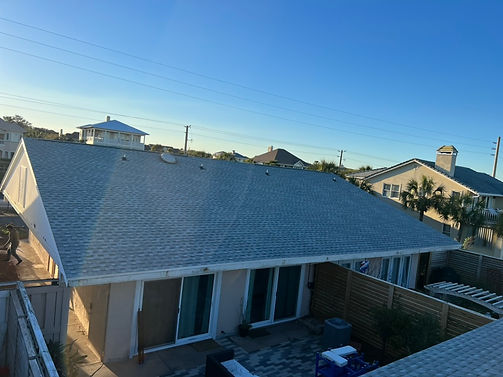


Understanding the Push for New Roofs: What Insurance Companies Are Really Looking For

When your insurance company asks you to get a new roof, it can feel frustrating and confusing. Why would they require such a costly upgrade? The answer lies in how insurance companies assess risk and protect their investments. This post explains why insurers often push for new roofs, what they look for during inspections, and how homeowners can navigate these demands.

Why Insurance Companies Care About Your Roof
Your roof is one of the most important parts of your home when it comes to insurance. It protects everything inside from weather, pests, and other hazards. If your roof is old, damaged, or poorly maintained, it increases the chance of leaks, structural damage, and costly claims.
Insurance companies want to avoid paying for expensive repairs or replacements caused by a failing roof. When they see signs of deterioration, they may require a new roof to reduce their risk. This helps keep premiums stable and ensures the home remains insurable.
Common Reasons Insurers Require a New Roof
Here are some specific reasons why your insurance company might insist on a roof replacement:
Age of the Roof
Most roofs last between 15 and 30 years depending on materials. If your roof is near or past this age, insurers see it as a ticking time bomb for leaks and damage.
Visible Damage
Missing, cracked, or curling shingles, broken tiles, or rusted flashing signal that the roof is compromised.
Leaks or Water Damage
Signs of water stains inside the home or attic indicate the roof is no longer protecting the structure.
Poor Installation or Repairs
If the roof was installed incorrectly or patched repeatedly, insurers doubt its reliability.
Local Weather Risks
In areas prone to hail, windstorms, or heavy snow, insurers want roofs that can withstand these conditions.
Building Code Updates
Older roofs may not meet current safety or fire resistance standards, prompting insurers to require upgrades.
What Insurance Inspectors Look For
When an insurance adjuster or inspector evaluates your roof, they focus on factors that affect durability and risk:
Shingle Condition
Inspectors check for granule loss, cracks, and curling that reduce protection.
Roof Structure
Sagging or uneven areas can indicate structural problems.
Flashing and Seals
Damaged or missing flashing around chimneys, vents, and skylights can cause leaks.
Gutter and Drainage
Poor drainage can lead to water pooling and damage.
Roof Decking
If accessible, inspectors look for rot or mold under shingles.
If the roof fails inspection, the insurer may require repairs or a full replacement before continuing coverage.
How to Handle a Roof Replacement Demand
Facing a demand for a new roof can be overwhelming. Here are steps to manage the situation:
Get a Professional Roof Inspection
Hire a licensed roofing contractor to assess the condition and provide a detailed report. This can help confirm or challenge the insurer’s findings.
Request Clarification from Your Insurer
Ask what specific issues led to the requirement and if partial repairs might suffice.
Shop Around for Roofers
Obtain multiple quotes to find a fair price and quality workmanship.
Check for Insurance Discounts
Some insurers offer premium discounts for new roofs or impact-resistant materials.
Plan for Financing
Look into home improvement loans or payment plans if needed.
Keep Documentation
Save all inspection reports, repair invoices, and correspondence with your insurer.
Benefits of a New Roof Beyond Insurance
While the insurance requirement may feel like a burden, a new roof offers several advantages:
Improved Home Value
A new roof boosts curb appeal and resale potential.
Better Energy Efficiency
Modern roofing materials can reduce heating and cooling costs.
Enhanced Protection
New roofs provide stronger defense against weather and pests.
Peace of Mind
You avoid unexpected leaks and costly emergency repairs.
When to Question the Insurance Company
Sometimes insurers may be overly cautious or use roof replacement demands to limit claims. Consider these points:
If your roof is relatively new and in good condition, ask for a second opinion.
Review your policy to understand coverage and requirements.
Consult a public adjuster or legal advisor if you suspect unfair treatment.
Document all communications and inspections carefully.
Final Thoughts
Insurance companies require new roofs to reduce risk and protect their investments. While this can be costly, understanding their concerns helps you respond effectively. A professional roof inspection, clear communication, and exploring financing options make the process manageable. Remember, a new roof not only satisfies your insurer but also strengthens your home’s safety and value.


Comments